How Long Do Static Caravans Last?
6th Feb 2026
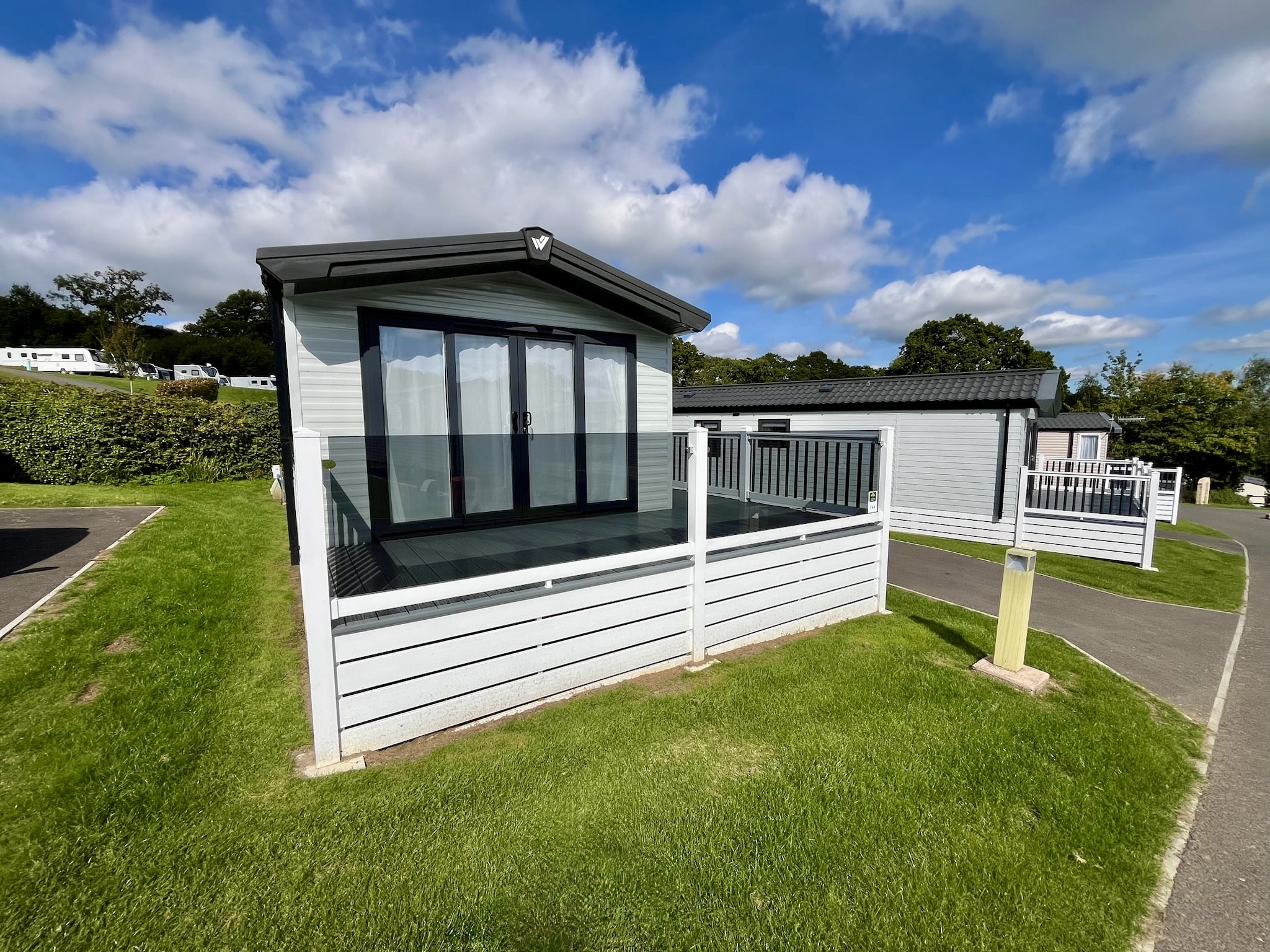
Buying a static caravan is a major investment and, for many people, one of the largest purchases they will make. Beyond the financial commitment, it’s also an investment in your family, your leisure time, and the memories you’ll create together. A static caravan can provide a welcoming base for holidays, weekend escapes, and quality time year after year.
Choosing the right holiday park, in the right location, with a caravan that suits your needs is essential. Careful research is crucial to ensuring your purchase delivers long-term value and enjoyment.
When asking ‘how long do static caravans last?, It’s important to understand exactly what you’re buying. In most cases, purchasing a static caravan means buying a holiday home that sits on a pitch within a holiday park for the length of a licence agreement. The lifespan of your caravan is often linked not only to its build quality and maintenance, but also to the park’s policies and licence duration.
Several key factors influence how long a static caravan will last and how much value you’ll get from your investment. Understanding these factors will help you make a confident, informed decision before you buy.
What Is a Caravan Licence Period?
Most holiday parks sell static caravans with a licence period in place. This licence typically lasts between 10 and 15 years and guarantees that the caravan can remain on its designated pitch for the full duration of the agreement. While a small number of parks operate without licence periods, this is uncommon.
If you purchase a second-hand static caravan, you will take over the remaining time left on that caravan’s licence. For this reason, it’s important to understand how much of the licence period remains before you buy.
Some holiday parks offer licence extensions, which are usually reviewed annually. Parks typically base extension decisions on the condition of the caravan, compliance with park standards, and other relevant factors. Read the park rules and licence agreement carefully before you purchase, so you know exactly what is expected when the licence period ends.
What Happens at the End of Your Licence Period?
When your static caravan licence period comes to an end, you usually have several options to choose from. Many owners decide to upgrade their holiday home by part-exchanging their existing caravan for a newer model. In fact, many people choose to do this before the licence expires to avoid disruption.
Other owners may feel ready to move on and no longer wish to keep their caravan. In this situation, you can often sell the caravan back to the park, arrange for it to be removed from the site, or sell it to a local trader. Like cars, static caravans depreciate over time, but they usually retain some residual value at the end of the licence period.
Speaking with a specialist company such as Westcountry Resorts can be helpful. With expert knowledge and a trusted network of local traders, we can help you explore your options and achieve the best possible off-site price for your static caravan.
What is the 15-year rule for static caravans?
The “15-year rule” for static caravans is not a legal requirement; individual holiday parks choose to adopt it as a policy governing the age of caravans permitted on their sites. Many holiday parks in the UK set a maximum age limit for static caravans, typically 10-15 years.
Holiday parks implement the 15-year rule for several reasons. Older caravans can make a park appear outdated, while newer models meet current building and fire safety standards. For this reason, buyers should always check the licence agreement before purchasing a caravan.
Why Is Winterising a Static Caravan So Important?
Winterising your static caravan is vital for extending its lifespan and protecting your investment. The process involves preparing your caravan for the winter months so it remains safe, secure, and ready for use when warmer weather returns.
By following the manufacturer’s winterisation guidelines and your holiday park’s requirements, you help protect your caravan from cold-weather damage such as frozen pipes, damp, and structural wear. Failing to follow approved winterisation procedures can also invalidate your insurance, making it essential to complete the process correctly.
For step-by-step advice, read our recent blog, How to Winterise a Static Caravan. It includes practical tips to help you prepare your holiday home for winter and keep your static caravan in excellent condition year after year.
Is It Worth Buying a Second-Hand Static Caravan?
Buying a second-hand static caravan can be a smart and cost-effective way to own a holiday home without the higher price tag of a brand-new model. One of the main advantages is avoiding the initial depreciation that new static caravans experience in their first few years.
Many pre-owned static caravans come fully set up and ready to use. They often include decking, skirting, fixtures and fittings, patio furniture, and other added extras, which can result in significant savings at the point of purchase.
Before committing to and signing any paperwork, it’s essential to carry out thorough checks. Inspect the caravan for leaks, damp, solid flooring, window and door seals, and fully functioning appliances. The seller should supply the caravan with a valid gas and electrical safety certificate—either newly issued or recently completed—to protect you and your family.
A second-hand static caravan can allow you to enjoy regular breaks in the same location while securing a better specification or a more desirable pitch within your budget. With the right holiday park and a clear understanding of ongoing costs, many owners enjoy the convenience, community feel, and stress-free escapes that static caravan ownership offers.
It’s important to approach this purchase as a lifestyle choice rather than a traditional financial investment. For those who use their caravan frequently, the flexibility, comfort, and enjoyment can make buying second-hand extremely worthwhile.
You can read more in our guide: 7 Benefits of Buying a Second-Hand Caravan.
So, How Long Do Static Caravans Last?
Static caravans are built to meet minimum European safety and construction standards, known as EN1647, and are designed primarily for temporary and seasonal use. Some models are constructed to the higher BS3632 British Residential specification, which offers improved insulation, durability, and performance suitable for year-round use. When these standards are combined with proper care and regular maintenance, a static caravan can last for the full duration of its licence period—and often beyond.
Keeping your holiday home well-maintained is key to extending its lifespan. As with any home, you will need to replace appliances, carpets, and furnishings over time, and carry out general repairs to keep the caravan in good working order.
Installing skirting or decking can help protect the underside and chassis from weather exposure, particularly in coastal locations where salt air can accelerate corrosion. Choosing a static caravan with a galvanised chassis can also offer added long-term protection.
Regular exterior maintenance is equally important. Cleaning the outside of the caravan, clearing debris from roofs and gutters, and washing decking helps prevent water ingress and algae build-up. After heavy rain or storms, check around windows and doors for leaks so you can deal with any damage promptly.
Damp can be an issue in static caravans due to seasonal temperature changes. It’s essential to keep ventilation points clear and use dehumidifiers when needed to maintain healthy airflow.
Final Thoughts
In summary, with consistent maintenance, proper winterisation, and attention to wear and tear, a static caravan can provide many years of enjoyment. Looking after your holiday home not only extends its lifespan but also helps protect its resale value when your licence period comes to an end.
Westcountry Resorts offer FREE impartial advice to holiday home owners and new customers looking to purchase for the first time.
To get in touch, please fill in our contacts form or call one of our friendly team on 01392 271 222, who will be able to help you.
To view our holiday homes available for sale, visit www.westcountryresorts.co.uk, where you can view both static caravans and luxury lodges in different parts of the UK.